When Everyone's Watching But Nobody Sees You: The Hidden Cost of Being Your Own Brand
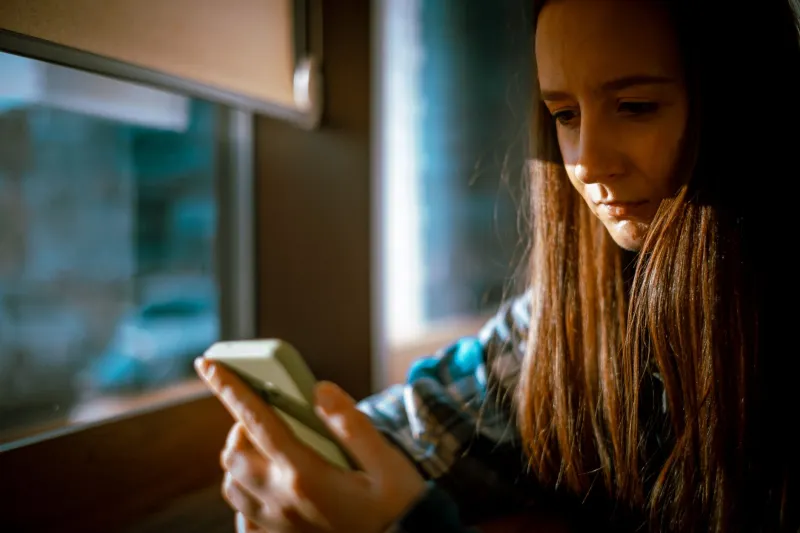
Somewhere between the first time a brand deal landed in my inbox and the hundredth time someone told me I "inspired" them, a quiet, uncomfortable question started taking up permanent residence in my chest: Do any of these people actually know me?
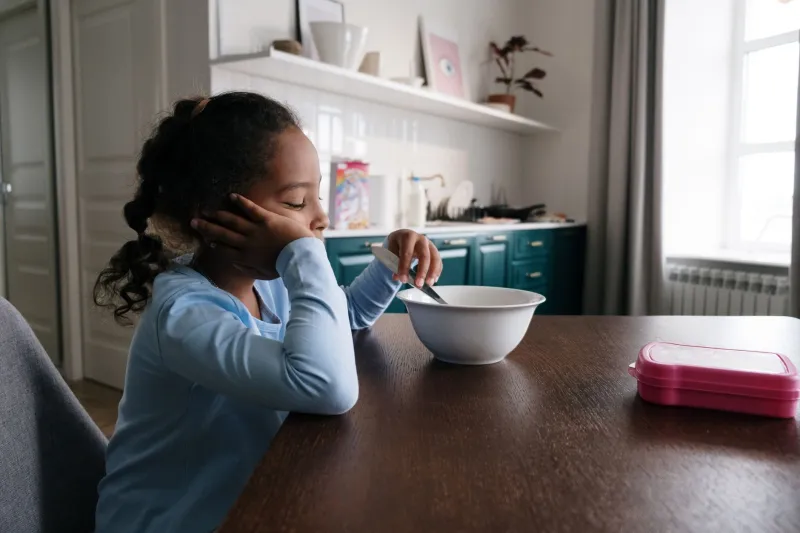
Not the me who shows up polished and purposeful with a good caption. The me who eats cereal for dinner three nights in a row. The me who second-guesses everything. The me who is, honestly, kind of a mess sometimes in ways that don't photograph well.
Building a personal brand sounds empowering — and in a lot of ways, it is. You get to tell your own story. You get to create something that didn't exist before you showed up. But there's a psychological weight to it that the "how to grow your audience" YouTube videos conveniently skip over. When you are the product, the line between professional output and personal identity doesn't just blur. It disappears.
The Paradox Nobody Prepares You For
Here's the thing about building a platform around who you are: it works because it feels real. People connect with you — your voice, your perspective, your particular way of seeing the world. That connection is genuine. I don't want to dismiss it.
But over time, something strange happens. The version of you that resonates with people starts to calcify. Your audience develops expectations based on the Cassie (or whoever) they've been watching. And those expectations, even when they come from a place of love, start to function like a job description you never actually signed.
You become accountable to a version of yourself that exists primarily in other people's heads.
I started noticing it in small ways at first. Hesitating before sharing something new because I wasn't sure if it "fit the brand." Feeling vaguely guilty on the days I didn't create anything. Performing enthusiasm for things I'd already quietly moved past because walking it back felt like too much to explain.
That's not creative freedom. That's a different kind of cage, just one with better lighting.
When Validation Starts to Feel Like Surveillance
Engagement is supposed to feel good. And it does — at first. Comments, shares, saves, the little notification dopamine hits. But after a while, all that attention starts to feel less like support and more like observation.
Every post becomes a data point. Every story view is someone forming or confirming an opinion about who you are. You start to feel watched in a way that's hard to articulate without sounding ungrateful, because you asked for this, right? You built the audience. You optimized for reach. You made yourself findable.
So who are you to complain that people found you?
But here's what I've come to understand: visibility and intimacy are not the same thing. You can have hundreds of thousands of people who feel like they know you, and still feel profoundly unseen. In fact, the bigger the platform gets, the more that gap tends to widen. Because what scales is the image — the curated, consistent, monetizable version. What doesn't scale is actual human complexity.
The real you is still in there, just increasingly hard to access through all the noise of who everyone else needs you to be.
The Question That Keeps Me Up at Night
Do people love me, or do they love what I've built?
I've sat with that question more times than I can count, usually somewhere around 2am when the analytics don't matter and the performance is over for the day. It's not a question with a clean answer. The honest truth is probably: both, and also neither, and also it's complicated.
Because the thing I've built is me, in a lot of ways. It came from my actual experiences, my real opinions, my genuine attempts to figure things out in public. But it's also a selection. A highlight reel of the parts of me that translate well. A narrative with continuity and coherence that my actual inner life doesn't always have.
The audience fell for the story. And the story is true — just not the whole truth.
What gets lonelier is realizing that the people in your life outside the platform sometimes start relating to you through it too. Friends who reference your content in conversation. Family members who feel like they know what's going on with you because they watched your latest video. A slow drift toward everyone knowing your brand story and fewer people knowing your actual day.
Finding the Human Under the Handle
I don't have a tidy solution for this. Anyone who does is probably selling a course.
What I do have is a few things that have helped me stay tethered to myself even as the platform has grown.
Keeping spaces that are genuinely off the record. Not everything needs to be content. Some conversations, some experiences, some relationships exist purely for me. Protecting that isn't being inauthentic — it's being a person.
Distinguishing between what I want to share and what I feel pressured to share. There's a difference, and it took me a while to learn to feel it. One comes from a place of genuine expression. The other comes from fear — of losing relevance, of disappointing people, of the silence that follows when you stop performing.
Letting myself be unlikable sometimes. This one is harder than it sounds. When your livelihood is tied to people liking you, unlikability feels like financial risk. But a version of you that no one ever disagrees with isn't a person — it's a product. Real people have edges.
Asking the people closest to me to keep treating me like a human. Not a brand. Not an inspiration. Not a content creator. Just a person they know, who sometimes makes stuff and puts it on the internet.
This Isn't a Cautionary Tale
I want to be clear: I'm not saying don't build something. Don't put yourself out there. Don't turn what you love into something that sustains you. All of that is still worth doing.
But I think we need to be more honest about the psychological cost of collapsing your identity into your output. The loneliness that comes with that isn't a personal failing or a sign you're doing it wrong. It's a structural feature of what it means to be your own brand in a world that rewards consistency over complexity.
You can be successful and still feel invisible. You can have an audience and still feel unknown. Both of those things can be true at the same time, and neither one cancels the other out.
The work, for me, has been learning to hold both — to keep creating without losing the person doing the creating. Some days I'm better at it than others.
But I'm still in here. And that, weirdly, feels like the most important thing to keep saying out loud.