When Everyone Relates to You but Nobody Really Knows You

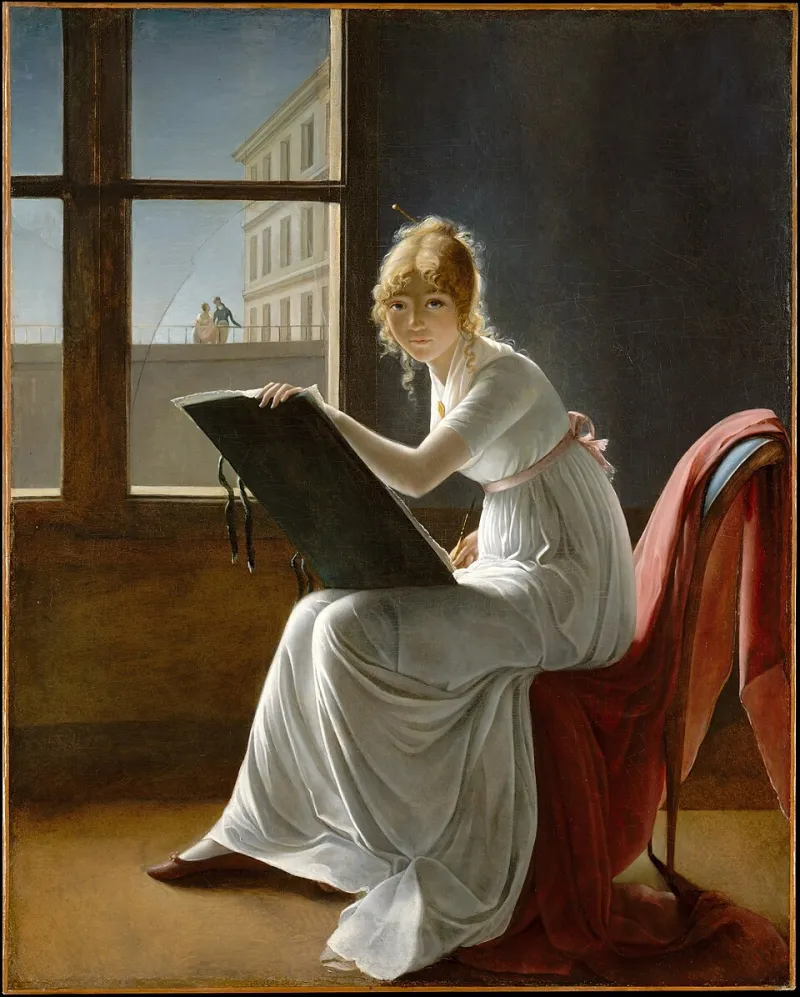
Photo: Unknown authorUnknown author, Public domain, via Wikimedia Commons
Something wild happened to me a few months ago. I posted a video where I talked about a really rough patch — the kind of season where nothing was clicking, I was second-guessing everything, and honestly, I was tired in a way that sleep couldn't fix. The response was massive. Thousands of comments, DMs flooding in, people saying things like "this is literally my life right now" and "thank you for saying what I couldn't."
And I sat there reading all of it, feeling... hollow.
Not ungrateful. Not annoyed. Just weirdly, deeply alone.
I've been chewing on that feeling ever since, because I think it points to something a lot of creators experience but don't talk about — at least not honestly. There's a version of vulnerability that builds an audience. And then there's a version of connection that actually fills you up. Those two things are not the same, and the space between them can get really, really wide.
The Relatability Trap
Here's how it usually goes: you share something real, something that cost you something to say out loud. Maybe it's about failure, or mental health, or a relationship that didn't work out, or the gap between how your life looks online and how it actually feels. People respond because they see themselves in it. Your numbers go up. You get labeled as someone who "keeps it real."
And then — almost without noticing — that vulnerability becomes part of your brand. Your audience starts expecting it. You start delivering it. The raw moments that used to feel like genuine releases start feeling like content obligations.
The tricky part? The audience isn't doing anything wrong. They're connecting with what you're sharing. But they're connecting with the story, not with you. There's a difference between someone saying "I relate to that experience" and someone actually knowing you — your context, your contradictions, the way you laugh when you're nervous, the stuff you haven't figured out how to put into words yet.
When the former masquerades as the latter, it can feel emptier than silence.
When You Become Someone's Inspiration (Whether You Like It or Not)
There's another layer to this that took me longer to name: the way audiences sometimes need you to stay in a particular role in their story.
Some people need you to be the cautionary tale — the proof that struggle is universal. Some need you to be the comeback arc — the evidence that things get better. Some need you to stay in the messy middle so they don't feel alone in theirs. These are all human, understandable needs. But when you're the one being cast in those roles without your consent? It gets heavy.
I've had people get genuinely upset when I stopped talking about something I used to be open about. Like my growth somehow disrupted their narrative. I've had people project entire backstories onto me based on one post. I've had strangers feel like they know exactly what I should do next because they've watched my content for two years.
None of that is connection. That's a parasocial relationship doing what parasocial relationships do — and the internet is basically engineered to manufacture them at scale.
The Emotional Math Nobody Warns You About
When you share vulnerably and the response is overwhelming, there's a dopamine hit. But there's also a kind of emotional debt that accumulates quietly in the background.
You've given something real away. And in return, you've received engagement — which is not the same as being held, or being understood, or having someone sit with you in the actual feeling rather than just in the idea of it.
Over time, this can lead to a weird pattern where you share more and more, chasing that feeling of being seen, while the actual intimacy deficit only grows. You're pouring out, and the audience is receiving, but the flow only goes one direction. That's not a relationship. That's a broadcast.
I'm not saying it's worthless. I'm not saying the comments don't matter or that the connection people feel to your work isn't real for them. I'm saying that for you, the person doing the sharing, it can start to feel like screaming into a well and mistaking the echo for a conversation.
How I've Been Trying to Recalibrate
I've had to get honest with myself about what I'm actually looking for when I share something personal. Am I processing something? Am I hoping to normalize an experience for people who need to feel less alone? Or am I chasing validation because I'm feeling disconnected and I know that a vulnerable post will bring people to me?
That last one isn't a crime, but it's worth naming. Because when you're using your audience to fill a cup that can only be filled by actual human relationships, you're going to keep coming up empty.
A few things have genuinely helped me:
Keeping some things just for me. Not every hard season needs to be content. I've started being more intentional about what I share and when — not to be less authentic, but to protect the parts of my life that need space to breathe before they're ready for an audience.
Investing in offline relationships more deliberately. This sounds obvious, but when your work lives online, it's easy to let the digital interactions crowd out the real ones. I've had to be almost aggressive about protecting time with people who know me outside of my platform.
Reframing what 'connection' means in a creator context. My audience and I can have something real without it being the same kind of real as a close friendship. I can appreciate the community I've built without expecting it to meet every emotional need. That's a healthier frame, and honestly, a more sustainable one.
Being honest when the role I've been cast in doesn't fit anymore. I've started gently pushing back — in my content, in my DMs, in how I talk about myself — when I feel like someone's relating to a version of me that's outdated or incomplete.
What Vulnerability Is Actually For
I still believe in openness. I still think there's something powerful about a person standing up and saying, this is what's true for me right now, especially in a media landscape that's full of performance and polish.
But I've had to separate the act of being open from the expectation of being truly known. Those are different offerings. And protecting that distinction — understanding that sharing your story publicly doesn't mean you owe anyone access to your whole self — has given me back a sense of agency I didn't realize I'd lost.
Relatability can build something real. But it can also become a cage, if you let it define you more than you define yourself.
The goal, at least for me, is to keep showing up honestly without disappearing into the version of me that people find most useful to their own narrative. That's a daily practice. Some days I'm better at it than others.
But I'm paying attention now. And that feels like a start.