Peace With the Archive: Why I Stopped Apologizing for Who I Used to Be Online
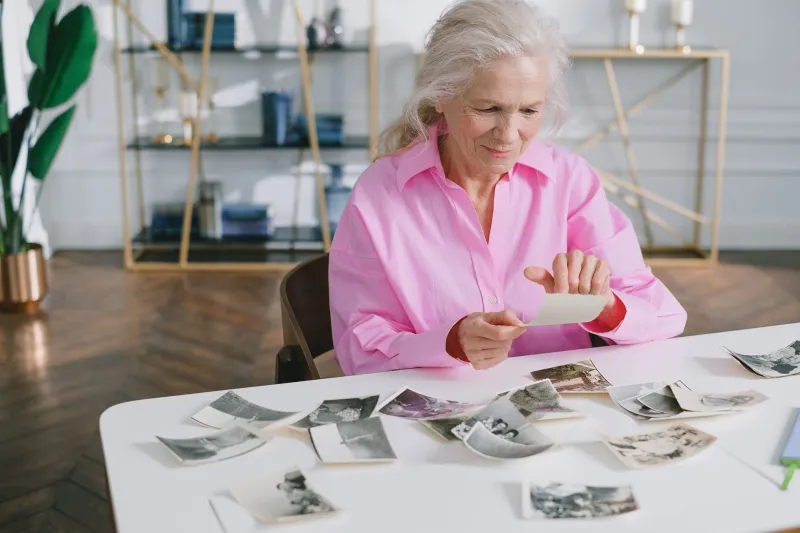
Somewhere buried in my older posts is a version of me that makes me physically cringe. The lighting is rough. The takes are half-formed. There's a confidence that reads more like overcompensation than actual certainty. For a long time, I kept a mental running list of everything I wanted to quietly delete, quietly update, or at least quietly distance myself from with a pinned disclaimer.
And then one day I just... stopped.
Not because the cringe went away. It didn't. But because I finally asked myself a question I'd been avoiding: Why am I so committed to pretending I arrived here fully formed?
The Curator Trap
There's this thing that happens when you build a personal brand — you start to treat your entire digital footprint like a gallery. Every piece of content becomes something that either belongs on the wall or needs to be taken down to the back room. You're constantly curating, constantly editing the narrative of who you are.
And look, some curation makes sense. Genuinely harmful content? Yeah, deal with that. Factually wrong information that could mislead people? Fix it. But the stuff that's just... old? The stuff that shows you figuring things out in real time? That's a different category entirely, and I think a lot of us have been treating it like a liability when it's actually something closer to documentation.
The curator trap is sneaky because it feels responsible. It feels like you're protecting your audience from confusion. But a lot of the time, what you're actually doing is protecting your ego from discomfort.
Your Old Content Is a Receipt — and That's a Good Thing
Here's the reframe that changed everything for me: your archive isn't a reflection of who you are. It's a record of who you were becoming.
Think about it from your audience's perspective. When someone finds you today — really finds you, not just stumbles on one post — they often go deep. They scroll back. They watch older videos. They read the early stuff. And what they're looking for, whether they'd articulate it this way or not, is evidence that you're real.
A perfectly polished, perfectly consistent archive doesn't give them that. It gives them a brand. And brands are fine, but they don't build the kind of loyalty that makes someone stick around for years.
The messy stuff? The early stuff? That's the receipt that proves you didn't just appear at your current level of clarity. You earned it. You stumbled toward it. That's actually more compelling than a highlight reel.
The Weird Relief I Wasn't Expecting
When I made the conscious decision to stop managing my archive like damage control, something unexpected happened: I felt lighter.
I didn't realize how much mental energy I'd been spending on that low-grade anxiety — the background hum of someone might find the old thing, someone might screenshot the outdated take, someone might compare then-me to now-me. When I let go of the idea that I needed to control how that comparison landed, the anxiety just kind of... dissolved.
Because here's the truth: people are going to make up a story about you no matter what. You can spend enormous energy trying to shape that story through careful archive management, or you can spend that energy actually creating. One of those is a better investment.
What It Looks Like in Practice
Letting your old content live without apology doesn't mean being passive about your past. It means being intentional about how you relate to it.
A few things that helped me get there:
Stop the preemptive disclaimer habit. You know the move — someone brings up old content and before they can even say anything, you're already saying oh god, don't look at that, I was so different then. That reflex is worth examining. It signals to your audience that you think your past is something to be ashamed of. What if you just... let them look?
Reframe cringe as contrast. The gap between who you were and who you are now is actually your growth story made visible. That's not embarrassing. That's evidence.
Only revisit when there's genuine reason to. If an old piece is actively misleading people or conflicts with something important to you, address it directly and move on. But revisiting content just because it makes you uncomfortable isn't maintenance — it's avoidance wearing a productive disguise.
Let your current work be the context. You don't have to explain old content if your new content makes your evolution clear. The archive updates itself, in a way, every time you publish something that shows who you are now.
The Creator You Were Made the Creator You Are
I think about the version of me who posted that cringey stuff, and honestly? She was trying. She was showing up even when she didn't totally know what she was doing. She was putting things out into the world before she had all the answers — which, if I'm being honest, is exactly what I'm still doing today.
The difference isn't that I've arrived somewhere finished. It's that I've gotten more comfortable with the in-progress nature of all of this.
Your digital footprint isn't a liability to manage. It's proof that you've been here, working it out, longer than most people who are just getting started. That's worth something. Let it stay.