Authenticity Has a Price Tag and Someone Else Is Setting It

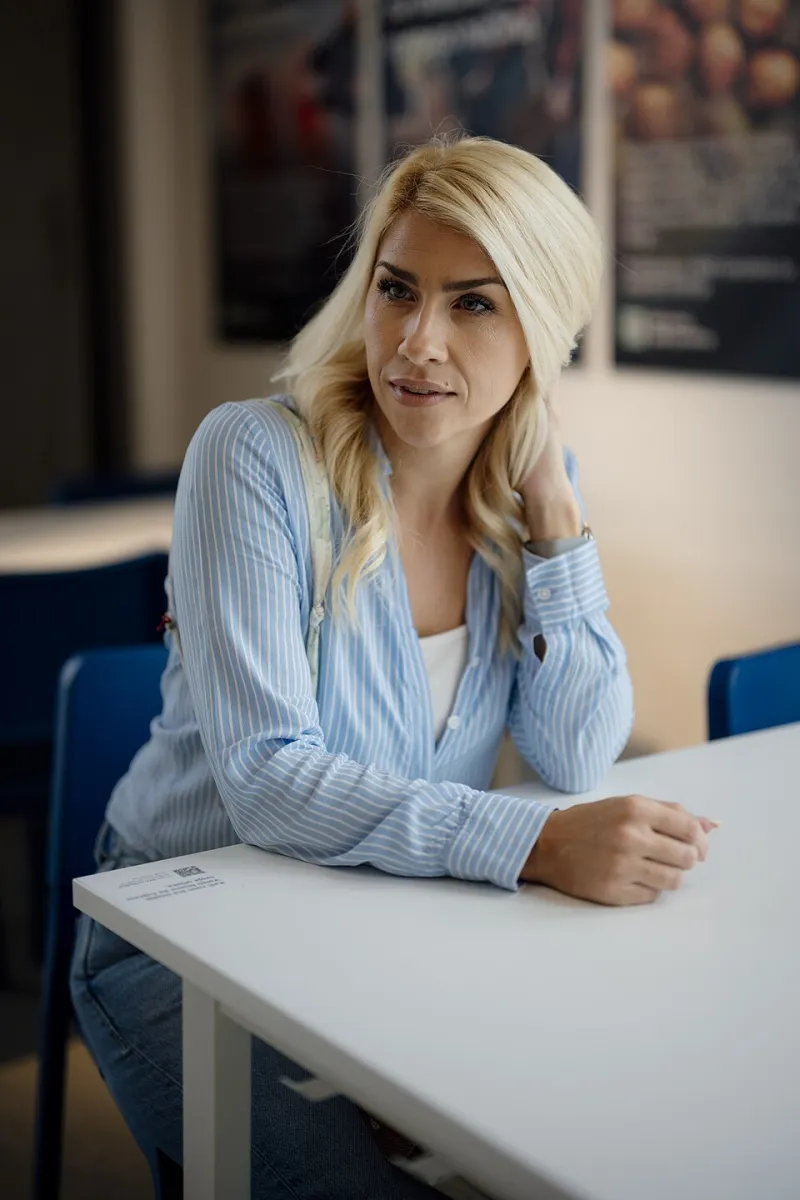
Photo: woman thinking at laptop coffee shop candid reflection, via img.freepik.com
There's a specific kind of discomfort that hits when you're writing a caption about how hard things have been lately — and you're also thinking about which photo pairs best with it.
I've been there. More times than I'd like to admit.
We talk a lot about the pressure to perform perfection online. But somewhere in the last few years, a new pressure quietly moved in and made itself at home: the pressure to perform imperfection. To perform struggle. To perform the behind-the-scenes, the bad days, the "I almost quit" moments — in a way that's compelling, relatable, and just polished enough to keep people watching.
And that's the trap I want to talk about.
When 'Real' Became a Content Strategy
Vulnerability content didn't start as a marketing tactic. It started because people were tired of the highlight reel — tired of comparing their ordinary Tuesday to someone else's curated vacation. When creators started pulling back the curtain, it felt like a breath of fresh air. Finally, someone being honest.
But the internet has a way of turning anything genuine into a formula. Algorithms rewarded the raw moments. Audiences grew around the messy confessions. Brands started reaching out specifically because a creator felt "authentic." And just like that, authenticity became a deliverable.
Now we have a whole genre of content that's essentially: here is my struggle, carefully framed, softly lit, with a lesson arc and a call to action at the end.
I'm not throwing stones here. I've made that content. It's not even dishonest, exactly. But it's also not fully free.
The Paradox Nobody Wants to Name Out Loud
Here's the uncomfortable thing: if your personal brand is built on being unapologetically yourself, then "yourself" is now a product. And products need to be consistent. They need to be recognizable. They need to sell.
So what happens when the real you — the one not thinking about content — is boring for a week? What happens when your actual behind-the-scenes is just laundry and anxiety and forgetting to eat lunch? That version doesn't exactly drive engagement.
You start editing. Not lying, necessarily. But selecting. Choosing which struggles are interesting struggles. Which vulnerabilities are relatable vulnerabilities. Which version of your bad day still makes you look like someone worth following.
And that selection process? That's a performance. A well-meaning one, maybe. But a performance nonetheless.
The Layers Keep Going Deeper
Some creators have caught onto this and responded by being vulnerable about their vulnerability — posting about how they've been performing authenticity, which is a genuinely interesting conversation to have. Except now that's also become a content format. The meta-confession. The "I need to be honest about how I've been presenting honesty" post.
Each layer feels more real than the last. Until you realize the layers just keep going.
I don't say this to be cynical. I say it because I think about it constantly, and I suspect a lot of creators do too — they just don't post about it, which is maybe the most honest thing of all.
So Where Does That Leave Us?
I've stopped trying to solve this with a clean answer, because I don't think there is one. What I've landed on instead is a set of questions I try to ask myself before I share something personal:
Am I sharing this because it's true, or because it performs well? Sometimes the answer is both, and that's okay. But when it's only the second one, I've learned to pause.
Would I share this if no one was watching? Not literally — obviously the point is that people are watching. But if the audience disappeared tomorrow, would this moment still feel worth saying out loud? If the answer is no, it's probably content. If the answer is yes, it might be something more.
Who does this serve? Vulnerability that genuinely helps someone feel less alone is different from vulnerability that makes me feel seen. Both are human impulses. Only one belongs in a public post.
The Space Between Performance and Truth
Here's what I actually believe: you can be a creator and a real person at the same time. The two aren't mutually exclusive. But they do require some intentional separation — a part of your life and your inner world that you keep off the content calendar entirely.
Not because you're hiding. Because some things exist just for you.
The most "unapologetically me" thing I've ever done wasn't a vulnerable post or a candid reel. It was deciding that certain conversations, certain struggles, certain versions of myself were mine to keep. Not everything authentic needs an audience.
Being a creator doesn't mean your whole self is content. It means some of yourself is — and figuring out which parts, and why, is the ongoing work that nobody really talks about.
Because that part? That part doesn't make for a very good post.
And maybe that's exactly the point.